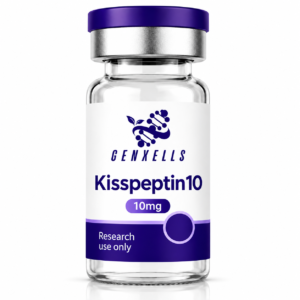
Kisspeptin10 is a peptide that attracts interest in reproductive health and hormone research because of its role in regulating the reproductive hormone system. A Kisspeptin10 10mg Injection contains a peptide related to kisspeptin signaling, which interacts with pathways involved in the release of gonadotropin-releasing hormone (GnRH). This connection makes kisspeptin an important subject in endocrinology and reproductive research.
Because injectable peptide products can differ in formulation, quality, concentration, and regulatory status, anyone considering such a product should obtain professional medical advice before use.
What Is Kisspeptin10?
Kisspeptin is a naturally occurring signaling peptide produced in the body. It plays an important role in communication between the brain and reproductive system. Kisspeptin signaling can stimulate GnRH release, which influences the production of luteinizing hormone (LH) and follicle-stimulating hormone (FSH).
These hormones have important roles in reproductive function. LH and FSH influence processes such as ovulation, sperm production, and sex-hormone regulation.
Kisspeptin10 refers to a shorter peptide sequence derived from the kisspeptin family. Researchers study this peptide because of its ability to interact with kisspeptin receptors and influence reproductive hormone signaling.
How Kisspeptin Signaling Works
The reproductive hormone system operates through a coordinated communication pathway called the hypothalamic-pituitary-gonadal axis.
Kisspeptin signaling participates near the beginning of this pathway. When kisspeptin activates its receptor, it can promote GnRH signaling. GnRH then acts on the pituitary gland and influences the secretion of LH and FSH.
This pathway helps explain why kisspeptin remains an important area of research in reproductive endocrinology.
The effects of kisspeptin signaling depend on factors such as biological sex, reproductive status, hormone levels, dosage, administration method, and individual physiology. Therefore, research findings do not automatically mean that an injectable kisspeptin product provides the same effects in every person.
Why Is Kisspeptin10 Studied?
Kisspeptin is studied extensively because of its relationship with reproductive hormone regulation. Scientific research explores its potential relevance to several areas of reproductive endocrinology, including hormone signaling, puberty, fertility, and reproductive disorders.
Researchers also investigate whether kisspeptin-based approaches may have applications in controlled clinical settings. However, research interest does not establish that every commercially available Kisspeptin10 injection is safe, effective, or approved for a particular medical purpose.
Anyone researching peptide products should distinguish between peer-reviewed clinical research and claims made by online sellers.
Kisspeptin10 10mg Injection and Reproductive Health
The reproductive system depends on carefully balanced hormone signaling. Changes in GnRH, LH, FSH, estrogen, progesterone, or testosterone can affect reproductive function.
Because kisspeptin sits within this hormonal communication network, scientists investigate its role in reproductive physiology. However, manipulating hormone pathways can produce effects that are difficult to predict without appropriate medical supervision.
A product labeled “10mg” describes the amount of peptide contained in the product, but it does not by itself establish an appropriate dose, treatment schedule, safety profile, or medical indication.
For this reason, people should not determine an injectable peptide regimen solely from online product descriptions.
Safety Considerations
Safety should remain a major consideration with any injectable peptide. Products obtained from unverified sources may have concerns involving sterility, contamination, incorrect concentration, storage conditions, or inaccurate labeling.
Injection-related complications can also occur when products are prepared or administered incorrectly. These complications may include irritation, infection, inflammation, or other adverse reactions.
Hormone-active compounds can potentially affect biological systems beyond the intended target. Individuals with reproductive, endocrine, or other medical concerns should discuss the situation with a qualified healthcare professional.
It is also important to disclose other medications, supplements, and hormone treatments to a healthcare provider because interactions and overlapping effects may require consideration.
Possible Side Effects and Monitoring
The safety profile of kisspeptin-based interventions continues to depend on the specific formulation, route of administration, dose, and clinical context. Research settings typically involve controlled dosing and medical monitoring.
People should seek medical attention if they develop concerning symptoms after an injection, particularly signs of a serious allergic reaction or infection.
Self-administration without professional guidance can make it difficult to identify whether symptoms result from the peptide, the injection procedure, contamination, another medication, or an underlying medical condition.
Choosing Reliable Information
When researching Kisspeptin10 10mg Injection, readers should evaluate the quality of the information available online. A trustworthy article should distinguish established biological mechanisms from experimental uses and should avoid promising guaranteed fertility, hormone, muscle-building, or wellness outcomes.
Regulatory approval also matters. A peptide being discussed in scientific studies does not automatically mean that a particular injectable formulation is approved as a medicine.
For additional information about peptide-related products and research topics, readers can explore Genxells while independently verifying medical and regulatory information through qualified healthcare professionals and authoritative health agencies.
Research vs. Medical Treatment
One of the most important distinctions when discussing Kisspeptin10 is the difference between research and established treatment.
Researchers may investigate kisspeptin signaling under carefully controlled conditions, while commercially available peptide products can vary significantly in quality and formulation. A research finding therefore should not be interpreted as a recommendation for self-treatment.
People experiencing infertility, irregular menstrual cycles, delayed puberty, low testosterone, or other hormone-related concerns should seek an appropriate medical evaluation. The underlying cause can vary considerably, and effective treatment depends on an accurate diagnosis.
Final Thoughts
Kisspeptin10 10mg Injection represents an interesting area of peptide and reproductive-hormone research. Kisspeptin signaling has an important connection with GnRH and the broader reproductive hormone pathway, which explains the scientific interest surrounding this peptide.
At the same time, research interest does not guarantee that a specific injectable product is suitable for personal use. Product quality, regulatory status, formulation, administration, and individual health factors all require careful consideration.
For anyone researching Kisspeptin10, the safest approach is to rely on credible scientific information and consult a qualified healthcare professional before considering an injectable peptide.


No comments:
Post a Comment