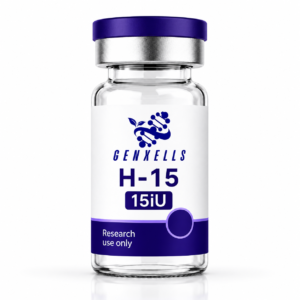
Peptide research continues to attract attention across biotechnology, molecular biology, pharmaceutical development, and laboratory science. Among the specialized compounds used in research environments, High Purity H-15 Peptide represents an area of interest for laboratories examining peptide structure, molecular interactions, and cellular processes. Selecting a high-purity research peptide helps researchers maintain greater consistency when designing experiments and evaluating analytical results.
H-15 refers to a specialized peptide compound, and the exact identity should always be confirmed through the product specification, sequence information, molecular formula, and analytical documentation supplied by the manufacturer. Scientific literature describes one H-15 compound as a novel cyclic pentapeptide derivative of sansalvamide A that receives investigation in laboratory cell studies.
What Is H-15 Peptide?
H-15 Peptide is a specialized research compound designed for laboratory investigation. Unlike commonly discussed nutritional peptides, research-grade H-15 is intended for controlled scientific applications where researchers need defined molecular characteristics and reliable analytical information.
One published study describes H-15 as a cyclic pentapeptide with the molecular formula C29H44BrN5O6 and a molecular weight of approximately 637.2475. The research examines its interaction with murine B16 melanoma cells under controlled laboratory conditions.
Because peptide naming can vary between suppliers and research catalogs, researchers should verify the identity of an H-15 product before beginning an experiment. A clear product specification can help confirm whether the material matches the intended research target.
Why High Purity Matters
Purity plays an important role in peptide research. A research sample containing unwanted impurities can introduce variables into an experiment and make analytical interpretation more difficult. For this reason, laboratories commonly evaluate peptide quality through analytical documentation and appropriate laboratory testing.
High Purity H-15 Peptide can be particularly useful when experimental consistency is important. A well-characterized research material provides researchers with information that supports proper sample identification and quality assessment.
Important quality information can include:
- Peptide identity
- Purity percentage
- Molecular weight
- Batch or lot number
- Analytical test results
- Certificate of Analysis (COA)
- Storage recommendations
- Physical appearance
- Solubility information where applicable
A Certificate of Analysis can provide useful batch-specific information and help researchers determine whether a material meets their predefined research requirements.
H-15 Peptide in Scientific Research
Research involving H-15 focuses on understanding its biological and molecular characteristics rather than establishing it as an approved treatment. In the published study, researchers investigate the effects of H-15 on B16 mouse melanoma cells and evaluate cellular proliferation and differentiation-related observations.
The study reports concentration-dependent effects under its experimental conditions and examines changes associated with cellular differentiation. These findings provide a basis for further laboratory investigation, but they do not establish H-15 as a human medicine or approved therapeutic product.
This distinction is important when discussing research peptides online. Laboratory findings can help scientists develop hypotheses and identify areas for future investigation, but additional research is necessary before drawing conclusions about clinical applications.
Key Features of a High-Purity Research Peptide
Researchers evaluating H-15 Peptide can consider several quality-related factors before selecting a material. High purity is one important characteristic, but it should not be the only consideration.
Analytical Verification
Reliable analytical testing helps confirm peptide identity and purity. Depending on the material and supplier, analytical methods can include techniques such as high-performance liquid chromatography and mass spectrometry.
Batch Documentation
Batch-specific documentation provides additional transparency. A COA can help researchers compare the supplied material with their experimental requirements.
Defined Specifications
Clear specifications reduce uncertainty during research planning. Information about molecular weight, peptide identity, purity, and storage can support more consistent laboratory handling.
Controlled Storage
Peptides require appropriate storage according to their individual characteristics. Researchers should follow the supplier's product-specific storage instructions and laboratory protocols rather than relying on generic recommendations.
Research Applications
High Purity H-15 Peptide can be considered for specialized laboratory research involving peptide chemistry, molecular biology, biochemical analysis, and cellular research. Its suitability depends on the research objective and the exact H-15 specification.
Potential research areas can include:
- Peptide structure studies
- Molecular interaction research
- Cellular biology investigations
- Biochemical experiments
- Analytical method development
- Peptide chemistry research
- Comparative laboratory studies
Researchers should establish appropriate experimental protocols according to institutional requirements, applicable regulations, and scientific methodology.
How to Evaluate H-15 Peptide Quality
Choosing a research peptide requires more than looking at a purity number. Researchers can review the complete product documentation before making a selection.
Start by confirming the peptide's exact identity. Compare the stated molecular information with the requirements of the planned experiment. Next, review the available analytical data and determine whether the reported purity meets the laboratory's criteria.
It is also useful to examine packaging, labeling, batch identification, and storage information. Proper documentation creates a stronger foundation for reproducible research.
For laboratories exploring peptide-related research materials and scientific resources, you can also explore GenXells for additional information and product resources.
Why Researchers Focus on Consistency
Consistency is essential in experimental science. When researchers use well-characterized materials, they can better control variables and compare results between experimental runs.
A high-purity peptide can support this objective by reducing the presence of unintended components. However, purity alone does not guarantee experimental performance. Research outcomes depend on many factors, including experimental design, sample preparation, assay conditions, handling procedures, and analytical methods.
For this reason, H-15 Peptide should always form part of a carefully controlled research workflow.
Responsible Use of H-15 Peptide
H-15 Peptide should be approached as a specialized research material rather than a general wellness product. Available scientific evidence does not support presenting H-15 as an established human treatment. The published research involving H-15 focuses on laboratory models, including mouse melanoma B16 cells.
Researchers should therefore use appropriate laboratory procedures and follow institutional safety requirements. Any potential biological activity identified in experimental models requires additional investigation before conclusions about human use can be considered.
Final Thoughts
High Purity H-15 Peptide offers an interesting subject for researchers working in peptide chemistry, cellular biology, and molecular science. Its value in research depends on accurate identification, reliable analytical characterization, appropriate storage, and controlled experimental procedures.
The scientific literature provides evidence that a specific H-15 cyclic pentapeptide receives investigation in cellular research, including studies examining proliferation and differentiation in B16 mouse melanoma cells. However, laboratory findings should remain distinct from clinical claims.
For researchers seeking specialized peptide materials, reviewing purity data, analytical documentation, molecular information, and batch-specific quality records provides a practical foundation for informed research decisions. With careful characterization and responsible laboratory use, High Purity H-15 Peptide can remain a valuable subject within the broader field of advanced peptide research.


No comments:
Post a Comment