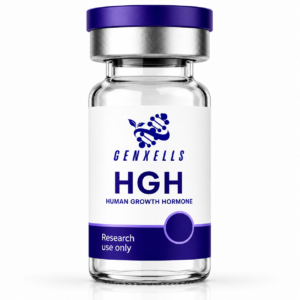
HGH 10mg refers to a 10-milligram formulation of human growth hormone (HGH), a hormone that plays an important role in growth, metabolism, body composition, and tissue maintenance. The body naturally produces growth hormone through the pituitary gland, while prescription HGH may be used when a qualified healthcare professional identifies a medical need.
Understanding how HGH works, why doctors prescribe it, and what safety considerations apply can help people make informed healthcare decisions. This guide covers the essential facts about HGH 10mg, including its potential medical uses, effects, precautions, and the importance of professional guidance.
What Is HGH?
Human growth hormone, commonly called HGH or somatropin, is a naturally occurring peptide hormone. The pituitary gland releases HGH in pulses, particularly during sleep and periods of physical development. It supports several important biological processes, including normal growth in children and the regulation of metabolism in adults.
HGH also influences the production of insulin-like growth factor 1 (IGF-1), which contributes to growth and tissue development. Because HGH affects multiple systems in the body, its medical use requires appropriate diagnosis, dosing, and monitoring.
For general information about peptide and hormone-related products, you can explore the GenXells website.
What Does HGH 10mg Do?
The effects of HGH depend on the individual's medical condition, age, hormone levels, and treatment plan. In people with clinically diagnosed growth hormone deficiency, medically supervised HGH therapy can help restore hormone levels toward an appropriate range.
Potential medical effects include supporting:
- Normal growth and development in children with certain hormone deficiencies
- Lean body mass maintenance
- Bone health
- Protein synthesis
- Fat metabolism
- Tissue repair and regeneration
- Normal energy and metabolic processes
These effects do not mean that HGH is suitable for everyone. Growth hormone influences several biological pathways, so treatment should follow an individualized medical assessment.
Medical Uses of HGH
Doctors may prescribe recombinant human growth hormone for specific conditions associated with growth hormone deficiency or other approved medical indications. Treatment eligibility depends on factors such as age, symptoms, laboratory results, medical history, and applicable prescribing guidelines.
In children, HGH may be considered for certain growth-related disorders. In adults, physicians may prescribe growth hormone replacement when testing and clinical evaluation indicate genuine growth hormone deficiency.
HGH is not simply a general-purpose wellness treatment. People considering hormone therapy should discuss their situation with a qualified healthcare professional rather than relying on online claims or self-diagnosis.
Understanding the 10mg Strength
The term HGH 10mg describes the amount of growth hormone contained in a particular product or presentation. It does not automatically indicate an appropriate individual dose.
The correct dose depends on the specific medical indication and the patient's characteristics. Doctors may consider factors such as body weight, age, hormone levels, treatment response, and potential side effects when developing a treatment plan.
Therefore, the 10mg label should not be interpreted as a recommendation for how much a person should use at one time or over a particular period.
Potential Benefits Under Medical Supervision
When prescribed for an appropriate medical condition, HGH therapy can provide clinically relevant benefits. For people with confirmed growth hormone deficiency, treatment may support normal physiological functions affected by inadequate hormone production.
Possible therapeutic outcomes include improved body composition, support for bone mineral health, and improved aspects of physical functioning and quality of life in appropriate patients.
However, results vary considerably. HGH does not provide identical effects for every person, and treatment benefits depend on the underlying condition and response to therapy.
HGH 10mg Safety Considerations
HGH requires careful medical supervision because excessive growth hormone activity can affect several organs and metabolic processes.
Potential adverse effects may include:
- Swelling or fluid retention
- Joint or muscle discomfort
- Headache
- Numbness or tingling
- Changes in blood glucose
- Increased insulin resistance
- Injection-site reactions
Some individuals may have a higher risk of complications because of existing medical conditions or other medications. A healthcare professional can assess these risks before and during treatment.
People should also avoid using HGH for bodybuilding, athletic enhancement, anti-aging purposes, or weight management unless such use is specifically medically appropriate and legally prescribed. Non-medical use can expose a person to unnecessary health risks.
Who Should Avoid HGH Without Medical Advice?
Self-directed HGH use is not appropriate. Anyone considering growth hormone therapy should receive a professional evaluation first.
Particular caution is important for people with conditions that may make HGH therapy unsuitable or require close monitoring. A doctor can review medical history, current medications, laboratory findings, and other risk factors before deciding whether treatment is appropriate.
Children also require specialist evaluation because growth concerns can have many different causes. Growth hormone should not replace a proper diagnostic assessment.
HGH and Healthy Lifestyle Choices
HGH therapy does not replace healthy lifestyle habits. Adequate sleep, balanced nutrition, regular physical activity, and appropriate medical care all contribute to overall health and normal hormonal function.
Natural growth hormone release is influenced by several factors, including sleep patterns, physical activity, nutrition, and age. Maintaining healthy habits can support general wellbeing, although lifestyle changes do not substitute for medically indicated hormone replacement.
How to Approach HGH 10mg Responsibly
Anyone researching HGH 10mg should focus on authenticity, appropriate medical indications, professional supervision, and safe handling. Prescription hormone products should come from legitimate healthcare and pharmacy channels that comply with applicable regulations.
It is also important to understand that online product descriptions may not provide enough information to determine whether HGH is medically appropriate for a particular individual.
A qualified healthcare professional can provide personalized advice about diagnosis, treatment options, monitoring, and potential interactions.
Final Thoughts on HGH 10mg
HGH 10mg represents a strength associated with human growth hormone formulations, but the strength alone does not determine how the medicine should be used. HGH has important physiological functions and can provide therapeutic value when prescribed for appropriate medical conditions.
Because growth hormone affects metabolism, tissue development, and other biological processes, responsible use requires professional evaluation and monitoring. Anyone considering HGH therapy should discuss the potential benefits and risks with a qualified healthcare provider.
For further information about peptide-related topics and product categories, visit GenXells and continue researching through reliable medical and healthcare resources.


No comments:
Post a Comment